8 May 2013

its no no

I have only slipped into the next room
I am I and you are you
Whatever we were to each other, that we are still.
u say  me to call  by  old familiar name,
Speak in the easy way which always used
Put no difference in  tone,
Wear no forced air of solemnity or sorrow
Laugh as we always laughed at the little jokes we enjoyed
together., think , pray ..........
That grips my heart.
What an expression 
Welcoming  back as same will it b possible?!
Y ...coz..we missed already  missed...the way we were.......now just is the
We all need good souls around.

"no no"


trials in our lives


 I WILL SURRENDER MY WORD

TO YOU IF THATS THE ONLY

WAY I COULD BECOME PART OF

YOU

Akshay Trithiya

Everything you wanted to know about Akshay Trithiya


It's Not Just About Buying Gold
The auspicious Hindu date of Akshaya Trithiya is misundersood to be simply a day for purchasing gold - coins or ornaments. Yes, that is a part of it, but the day is so much more than that.

Akshaya Trithiya Date

Akshaya Trithiya date in May 2013 falls on Monday, the 13th. The third day of the waxing phase of the moon in the month of Vaishakha or Vaishakha Shukla Paksha Tritiya is celebrated as Akshaya Tritiya. Akshaya Tritiya is also known as Akha Teej.

Auspicious Day

Akshay Trithiya is an extremely auspicious day. It is also known as abhuj mahurat or sarvasidhi mahurat, implying that it is a day when you do not have to consult an almanac or panchang to see if it is a good day. No wonder, many impromptu weddings take place today.

What Makes The Day Special?


In Sanskrit, the word akshaya means never-diminishing. Thus, the significance is that whatever is started on this day, will only grow further. This belief has propelled people in recent times to buy gold, believing it to be a sign that wealth created on this day will multiply and never diminish.

Religious Significance


Many important dates in the HIndu calendar happened on Akshaya Tritiya. They are: 1. Lord Vishnu’s sixth incarnation Lord Parasurama was born on this day. 2. Lord Ganesha began writing the epic Mahabharata on this day. 3. Lord Kuber prayed to Shiva to return his wealth on this auspicious day. Indeed, Kuber got his wealth back and has since been associated with unsurpassed wealth. 4. The Pandavas received akshay patra from Krishna on this mahurat, a vessel in which the food never diminishes. 5. Sudama and Kuchela visited Krishna in Dwarka with beaten rice or poha on this date. 6. Akshaya Trithiya marked the beginning of Treta Yuga, therefore it is also known as Yug Thithi. 7. It is also the day when the holy river Ganga descended on earth.

Temples That Open Today


Among the many temples that open today after periodic closures are the Badrinarayan temple and Banke Bihari temple in Vrindavan.

Pray To Forms Of Vishnu


Since the day has so much significance for Vishnu, people spend the day praying to various forms of Vishnu. People who know Vishnu Sahasranamam may recite it also. People offer til tarpan, meaning sesame and water to the deities and ancestors. Sesame is a symbol of sattvikata whereas jal is the symbol of pure bhav or spiritual emotion

12 Mar 2013

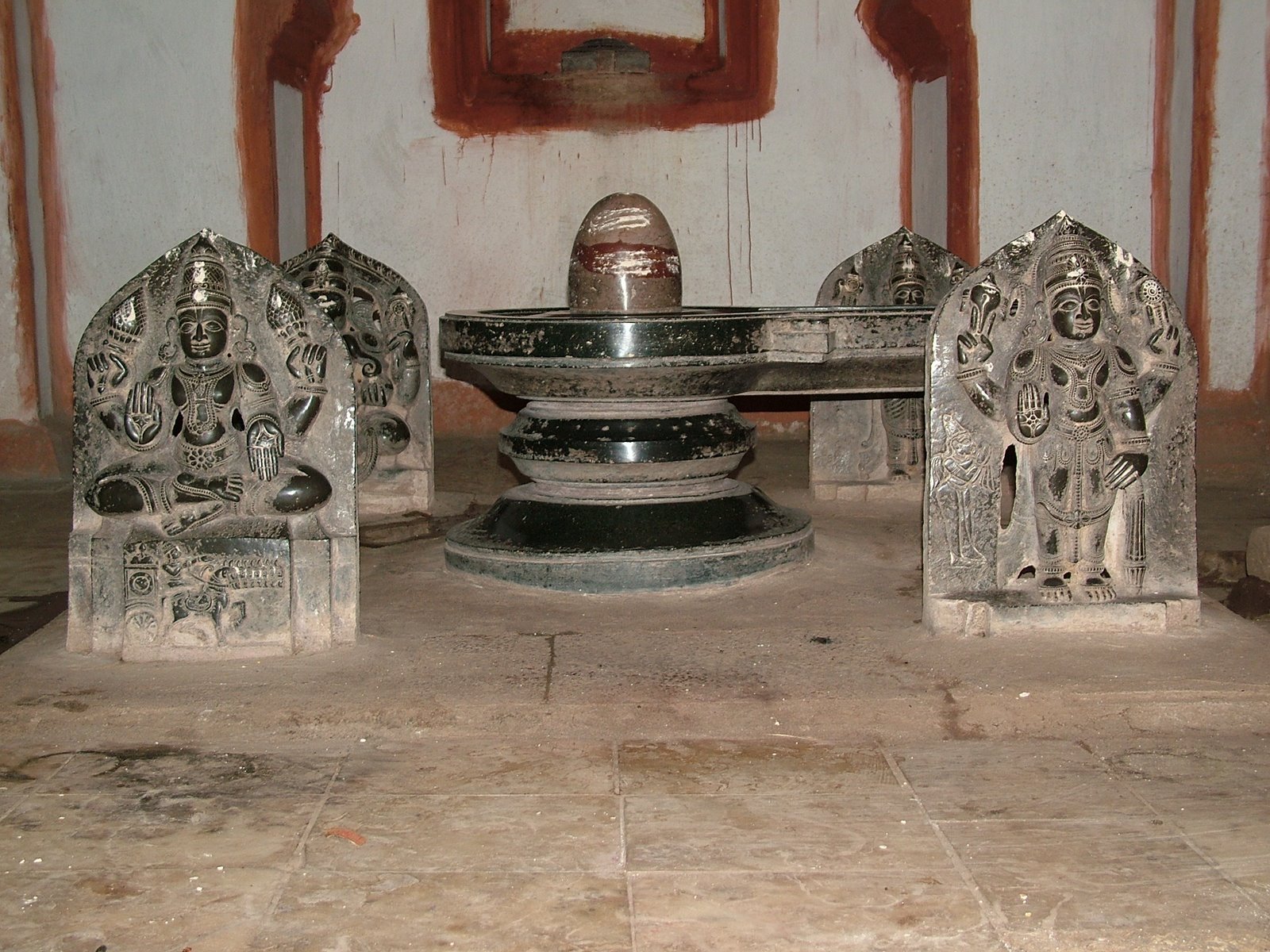
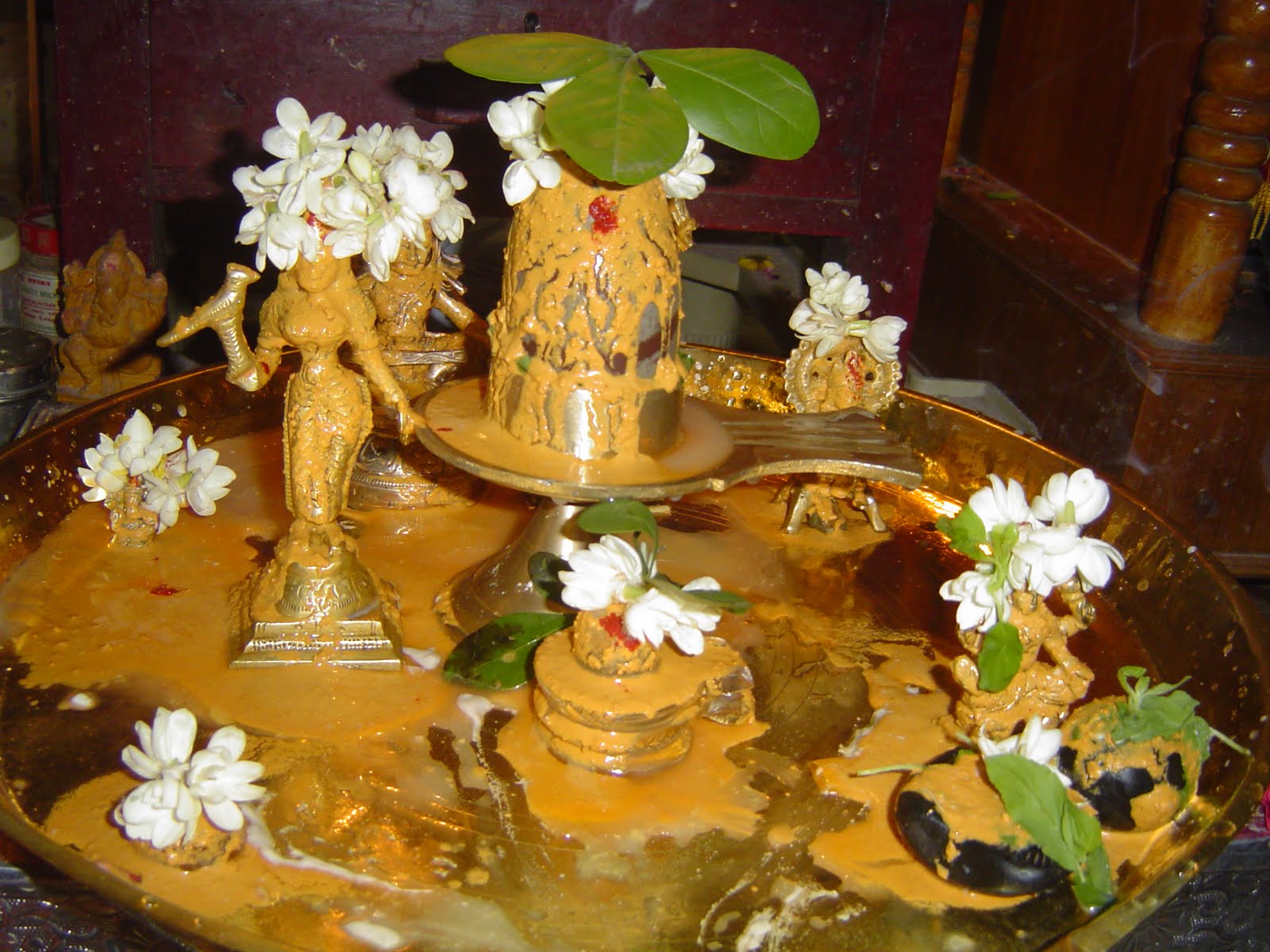
PANCHAYATANA PUJA..

Panchayatana puja is the system of worship which was most common in every Brahmin house till few decades ago.Panchayatana Pooja

The Panchayatana is a system which consists of the worship of five deities:

"Adityam Ambikaam Vishnum Gananaatam Maheswaram"

Aditya is Lord Surya.
Ambika is Goddess Devi.
Vishnu is Lord Narayana.
Gananaatham is Lord Ganesha.
Maheswara is Lord Shiva.

These five are the great divine force whom every householder worships as pancha devata puja. Based on the tradition followed by the family, one of these deities is kept in the center and the other four around it and worship is offered to all the deities.

Adhi Shankara systemised the Sanatana Dharma(Hinduism) and classified it into broad Six categories.

Shaiva - with Shiva as the Presiding deity
Vaishnava - with Vishnu as the Presiding deity
Shaktha - with Devi as the Presiding deity
Ganapatya - with Ganesha as the Presiding deity
Kaumara - with Subramanya as the Presiding deity
Sowra - with Surya (planets) as the Presiding deity

Deva Puja and Archana is one of the most important duties imposed by the Shastras. The Shastras are filled with details of the Panchayatana puja details and Adhi Shankra only prescribed us to follow it without fail.

The panchayatana scheme represent the five elements:
Akashasyadhipo vishnuh agneshchaiva maheshvari |
vayoh suryah kshiterishah jivanasya ganadhipah ||


Akasha : Space : Vishnu
Vahni : Fire : AmbikA
Vayu : Air : Aditya
kShiti : Earth : Shiva
Jala : Water : Ganapati

All the five deities are not Panchaloka or any other metal idols; But these five are represented by small natural stones found in various parts of India.

Name of Deity : Ganesha
Bhuta(Tatwa) : Apu(Water)
Name of the Stone (Sila) : Red Sonabhadra
Name of the River : Sone
Name of the State where found in India : Bihar
Names of flowers and leaves used for worship : Lotus and Bandook flowers

Name of Deity : Surya(Sun)
Bhuta(Tatwa) : Vayu (Air)
Name of the Stone (Sila) : Crystal
Name of the River : Vallam
Name of the State where found in India : Tamil Nadu (Tanjavur)
Names of flowers and leaves used for worship : Bandook flower and plantain tree

Name of Deity : Vishnu
Bhuta(Tatwa) : Akasha(Space)
Name of the Stone (Sila) : Saligrama
Name of the River : Gandaki
Name of the State where found in India : Nepal
Names of flowers and leaves used for worship : Tulsi (basil), Ashwatha, and Amalaki leaves. Marigold, Punnaga, and yellow flowers

Name of Deity : Shiva
Bhuta(Tatwa) : Prithivi(Earth)
Name of the Stone (Sila) : Banalinga
Name of the River : Narmada (Omkara-kunda)
Name of the State where found in India : Madhya Pradesh
Names of flowers and leaves used for worship : Godlen shower tree Flower ,Bel leaves & Amalaki leaves. Akund (Calotropis gigantea), Crown flower Nagalingam flower

Name of Deity : Ambika(Devi)
Bhuta(Tatwa) : Agni(Fire)
Name of the Stone (Sila) : Swarna Mukhi (Rekha Shila)
Name of the River : Swarnamukhi
Name of the State where found in India : Andhra Pradesh
Names of flowers and leaves used for worship : Red flowers - Hibiscus or China rose and Neem leaves

The image of that particular devata is kept in the centre, surrounded by the other gods. If he is a devotee of Vishnu, he places the idol of Vishnu in the centre with the other idols surrounding it. If he is a devotee of Lord shiva, a lingam is placed in the middle with the other images around it. If he is a devotee of Suryanarayana, he has a sphatika as the central object of worship.
Panchayatana Pooja
The positioning in the panchayatana poojas are as follows:

Shiva Panchayatana Puja

Vishnu                     Devi


              Shiva


Surya                    Ganesha


Shiva at the center
Surya at Southeast
Ganesha at Southwest
Devi at Northwest and
Vishnu at the Northeast.

Ganesha Panchayatana Puja

Vishnu                     Devi


              Ganesha


Shiva                    Surya


Ganesha at the center
Vishnu at Northeast
Shiva at Southeast
Surya Southwest and
Devi at Northwest

Vishnu Panchayatana Puja

Shiva                     Devi


              Vishnu


Ganesha                    Surya


Vishnu at Center
Shiva at Northeast
Ganesha at Southeast
Surya at Southwest and
Devi at Northwest

Devi Panchayatana Puja

Vishnu                     Surya


              Devi


Shiva                    Ganesha


Devi at center,
Vishnu at Northeast,
Shiva at Southeast,
Ganesha at Southwest and
Surya at Northwest

Surya Panchayatana Puja

Shiva                     Devi


              Surya


Ganesha                    Vishnu


Surya at Center,
Shiva at Northeast,
Ganesha at Southeast,
Vishnu at Southwest,
Devi at Northwest

Along with this people worshipping Subramanya will include Him in the form of a (silver) Snake or Vel (spear)

Panchayatana Pooja
Panchayatana Puja is a systematic procedure which involves physical and mental discipline, requires inner and outer cleanliness. This - when done systematically will surely bring the progress in the material world and the final truth - awareness of the true Self. By following it, one obtains the Lord’s Anugraha, without which liberation is not possible.

28 Jan 2013

WITHOUT YOU , AM NOTHING..

we have to see things just beyond our immediate perception. We have to be farsighted. We have to see things beyond. That’s a devotee and that’s the intelligence. Could I do anything without the facilities that I have got? No. And we have to recognize that we are nobody. We are nobody! Who are we? One ten thousandth part of the tip of the hair. Sometimes we may be able to achieve something great, but we have to always remember that it is simply due to the mercy of Krishna and His devotees.
And this point has very wonderfully been demonstrated by Brahma. And what is Krishna’s response? What Sri Bhagavan said? “Brahma, don’t worry. I made all the arrangements. There is nothing to be in anxiety. Don’t think that this task is very, very difficult. No matter how difficult it is, when you function on My behalf, when you act on My behalf, when you try to do something on My behalf, I will take care of everything.”
So that’s why Krishna is telling Arjuna – what is Krishna telling Arjuna? Nimitta-matram bhava savya-sacin. [Bg 11.33] Nimitta-matram, become an instrument in My hand. So a devotee may be in anxiety but Krishna is telling him that, “Just become My instrument and you don’t have to worry about anything.”
So please remember this point and become very good devotees.
Hare Krishna!

a cook

a cook is cooking for the master. The cook tries his best to make the best food and the master comes to the table to eat and he doesn’t even look at what he cooked. He eats something else. How does the cook feel? “Well, I tried my best. I cooked in the best possible way. I thought it was the most delicious food, but it’s up to him whether he will eat it or not. It’s up to him.” So that is the point of being a master and the servant, or the servant of the master. So the devotee’s attitude is just like that. Marobi rakhobi – jo ichha tohara, whatever you do with me it is up to You. [Srila Bhaktivinoda Thakura, Saranagati, song: Manasa Deho Geho] Not that, “Oh Krishna, I have become Your devotee, why You’re killing me?!” No, devotee means, “Whatever You want I will do. You have complete control over me. You have all the rights over me. So You do whatever You want to do with me.” And that is the meaning of surrender. Surrender, surrender means completely dependent upon You, completely given over to You. You do whatever You want to do with me.
So that is the secret of pure devotional service: total surrender. And total surrender means try your best, but depend upon Krishna. Do it, try to execute it to the best of your ability but always remember that you are nothing without Krishna’s mercy. But on the other hand, to think that, “Oh, I am so capable. I have done that, so why You are removing me from this position? I have done everything. It is my creation.” That means false ego. That means maya;  “I am the doer. I have done that.”

the perception of a pure devotee

we can see the Lord in the heart. We can see how the different living entities are parts and parcels of the Supreme Personality of Godhead. We can see how some living entities have rejected the Lord and, as a result of that, they are suffering in this material nature. And we can also see how the Lord is lamenting, how the Lord is inflicted, how the Lord is feeling the pain that these living entities have gone away from Him. And therefore, a devotee wants to bring those living entities back to the Supreme Personality of Godhead. That’s why he is engaged in preaching.
The point is, this is not just an imaginary perception. That is the difference between a devotee and the impersonalist. The impersonalist will try to say that sarvam khalvidam brahman, everything is Brahman. [Chandogya Upanishad 2.14.1] Yes, everything is the manifestation of the spiritual energy but they do not see the variegatedness or individual’s personality and individual’s individual characteristics. They cannot see that. Similarly, if somebody says, “Oh, you are Krishna”, no, the devotee never says, “You are Krishna.” He sees Krishna but he doesn’t think that everybody is Krishna. Rather, he sees in relation to Krishna. Like, for example, I know that this finger is a part of my body but no one will say that this finger is the body. Just this finger by itself is not the body. It is just a part of the body. Similarly we have to see the difference between the part and the whole. A living entity is a part and parcel of the Supreme Personality of Godhead. A living entity is not the Supreme Personality of Godhead.
So a devotee’s perception is not imaginary, not speculative but real. And it is in relation to the Supreme Personality of Godhead from a real context. Yes, the Lord is present in the heart, therefore a devotee sees the Lord in the heart of all the living entities.
The wise man’s perception has been described in Bhagavad-gita as
vidya-vinaya-sampanne
brahmane gavi hastini
suni caiva sva-pake ca
panditah sama-darsinah
[Bg 5.18]
A brahmana who is qualified, very qualified, very exalted brahmana, vidya-vinaya-sampanne brahmana, gavi hastini, a cow, an elephant, and suni caiva sva-pake ca, a dog and sva-pake is a dog eating chandala, he sees sama-darsinah, he sees them as equal. He sees them equal. That doesn’t mean that he thinks that an elephant is a dog and a dog is a chandala. [laughs] No, he sees a dog as a dog. He sees an elephant as an elephant. He sees a brahmana as a brahmana, in their respective positions, but sama-darsinah. Why sama-darsinah? Is a dog and an elephant equal? Is a brahmana and a chandala equal? No, they are not equal. Qualitatively they are different but his perception is equal because he is not seeing their external material condition, rather they are seeing their spiritual identity. They are seeing them from their spiritual identity, in relation to their spiritual identity. They are all spirit souls. One spirit soul is in a certain situation, he is a brahmana. His activities, his past karma, his background has situated him in this platform, in this particular body. Another personality is a chandala, meaning the lowest of mankind, absorbed in very, very undesirable activities. And he sees the cow, also he sees that the cow she is also a spirit soul. An elephant is also a spirit soul. A dog is also a spirit soul. A snake is also a spirit soul. They are all spirit souls but according to their conditioning, according to their material involvement they are situated in different types of bodies. And then he goes even deeper. Then he sees that how the living entities became separated from the Supreme Personality of Godhead. They shouldn’t be separated. They should be situated along with the Supreme Personality of Godhead in the spiritual sky, but unfortunately they have become separated. Why they became separated? Because of their perverted mentality. And because of becoming separated from the Lord look at their condition: in the material world they are undergoing so many types of sufferings.
So that is the perception of a pure devotee. And then he also sees that the inert objects, not only he is seeing the Lord, or seeing everything in relationship with the Lord, only the living entities, but he is also seeing the inert objects. And he sees how these inert objects can be engaged in the service of the Lord. “Oh, there is a nice mridanga. So let’s just get it and engage it in Krishna’s service.” Or there is a very nice saying, the perception of a devotee, he sees some vultures in the sky and he becomes very happy. Now who becomes happy seeing a vulture? Because vultures are very inauspicious animals, very inauspicious birds. Vultures bring all inauspiciousness, but a pure devotee sees a vulture flying in the sky, hovering – sometimes we see some vultures are hovering in the sky, clustered together – he becomes happy. Why? Because he knows that there is a dead cow. Now, again, a dead cow also is not a very pleasant sight, but he becomes happy. Why? Because now he thinks that, “I’ll take the skin of the cow and I’ll make a mridanga and I’ll sing the glory of the Lord.” So that is the perception of a devotee. Therefore it is very difficult to understand the perception of a devotee, vaishnavera kriya-mudra vijne na bujhaya. Even a very learned person cannot understand the activities and mentality of a Vaishnava, a devotee of the Lord, because he sees everything in relationship to the Supreme Personality of Godhead. He sees everything in the light of how everything can be engaged in spreading the glory of the Supreme Personality of Godhead.
So that is the perception of a pure devotee. To be in a most advanced stage means to be situated in a certain platform by developing a certain outlook, a certain attitude, a certain mentality. That is a pure devotee. And then Prabhupada in the purport is pointing out another very wonderful aspect of this perception, that Brahma, not only he will see from his perspective, but Brahma also will see according to the Lord’s pastimes. During his day the Lord will appear. Once in a day of Brahma Krishna, the Supreme Personality of Godhead, appears on the twenty eighth chaturyuga in the Dvapara yuga, Krishna appears. And in those pastimes Krishna will have some wonderful exchange with Brahma. He will allow Brahma to see so many wonderful things.
Like, for example, one day Brahma will see that this little boy, who is only about seven years old – no not even seven, He was about six years old at that time – this pastime took place even before lifting of Govardhana, when He was about six years old. He is tending the cows. He just started to tend the cows, take the calves to the pasturing ground. So one day Brahma saw that this little boy killed Aghasura. This little boy Krishna killed a terrible demon called Aghasura. So he was very surprised because Aghasura was such a powerful demon that even the demigods were afraid of Aghasura. Not only afraid, they used to tremble just by hearing the name of Aghasura. And Aghasura was not only very powerful but he was practically immortal. Nobody could kill Aghasura.
Brahma was seeing Krishna as a little boy due to the arrangement of Yogamaya. Sometimes Yogamaya bewilders the perception of a devotee so that he can have a very intimate, loving exchange with the Supreme Personality of Godhead. Yogamaya, maya means forgetfulness, forgetfulness, not seeing things as they actually are. That’s called maya (illusion).